
作品 Works


Artist
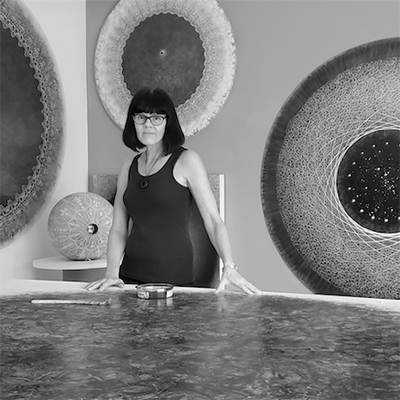
Carol Prusa
(USA, b. 1956)
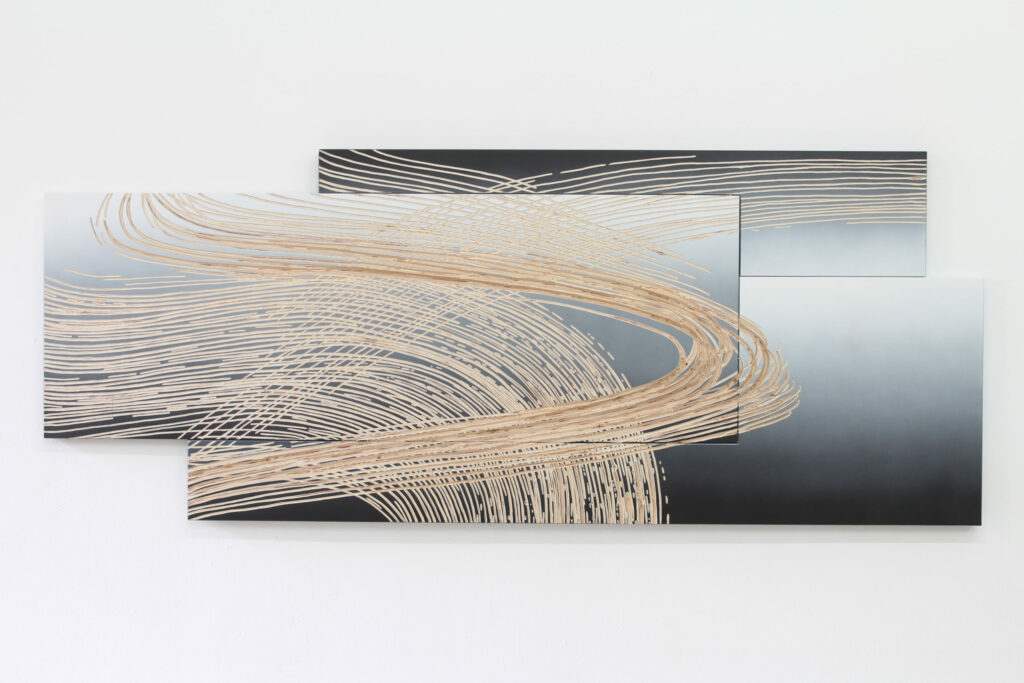
Carol Prusa holds a Master of Fine Arts from Drake University, where she specialized in painting. She is known for her meticulous silverpoint technique, an ancient and refined grayscale technique with the silver stylus, and the use of unexpected materials from sculpted resin and fiberglass to metal leaf and LED large-scale installations. Through this precise and sophisticated method, she explores the astronomic origin of life as well as the philosophy of cosmology in her silverpoint work. Carol Prusa received a SECAC Artistic Achievement Award in 2017 and awarded for 2020 Manifest Prize. Her works have been highly regarded in historical books on Silverpoint feature. Prusa participated in 2015-2016 Miami Biennale and had exhibited in many museums and important institutions including the American Academy of Arts and Letters, Boca Raton Museum, Louisiana Museum of Art and Science, etc. Her work included in excellent public and private collections, including the Perez Museum of Art, The Museum of Arts and Design (NYC), Telfair Art Museum (Savannah), Spencer Museum of Art, and the Francie Bishop Good and David Horvitz Collection.
 More information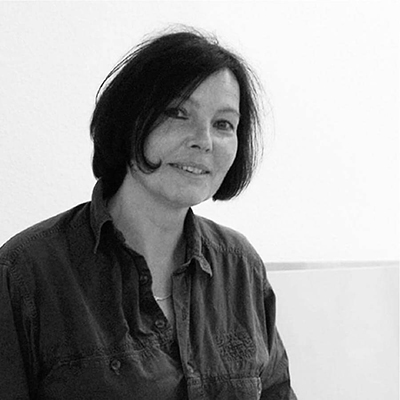
Christiane Grimm
(Germany, b. 1957)
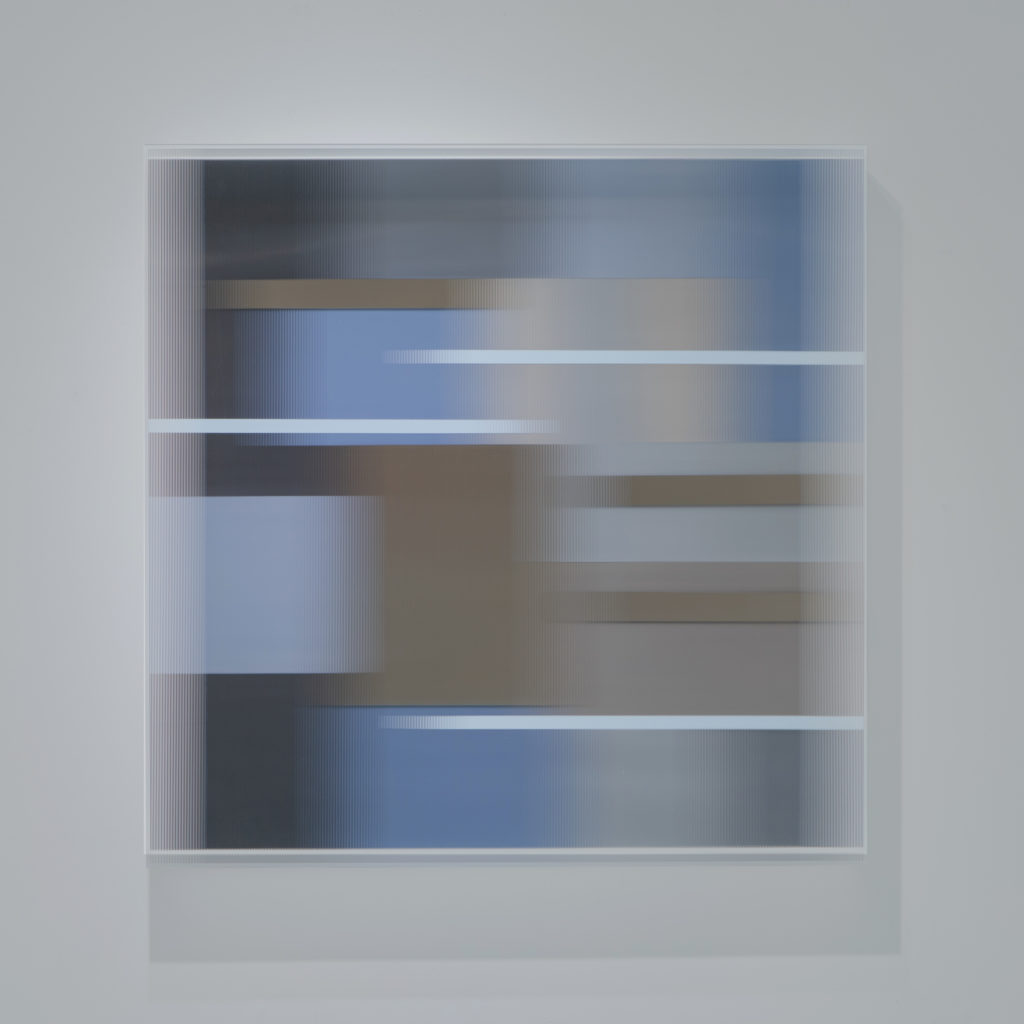
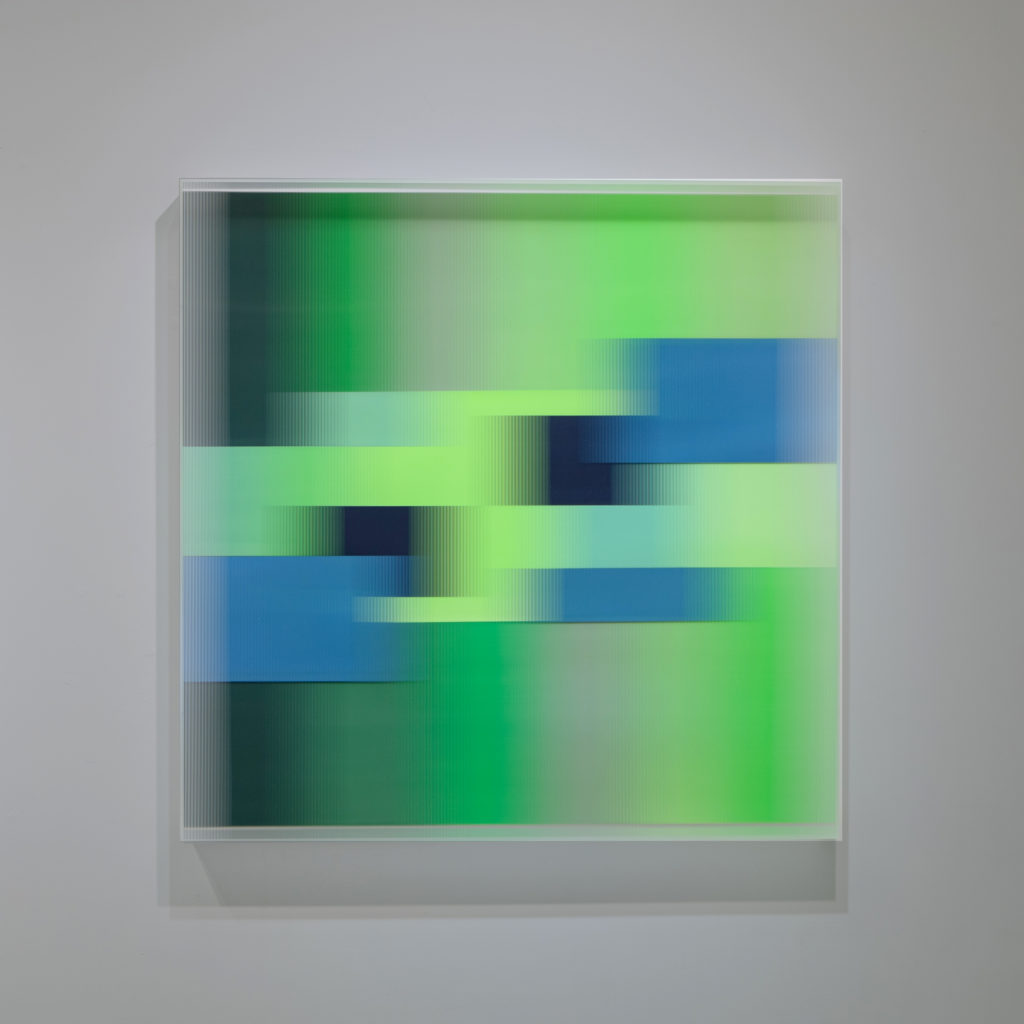
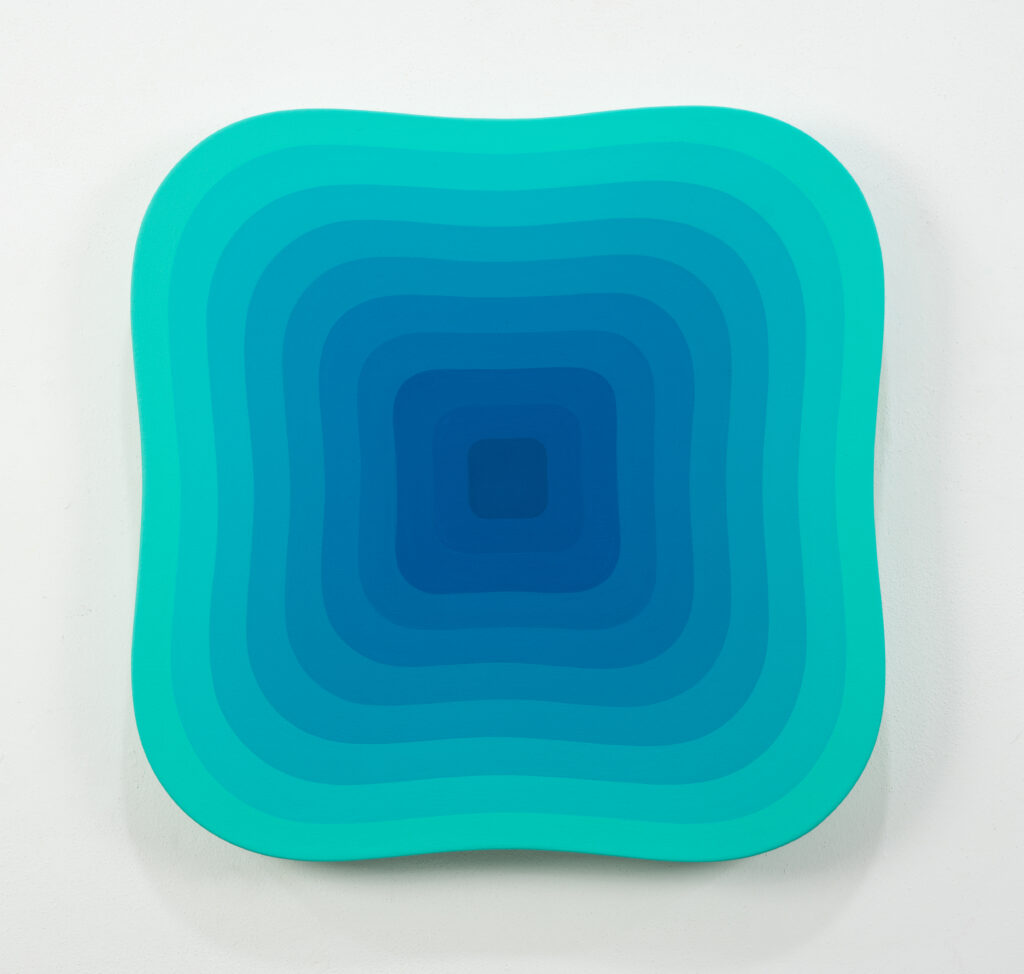
克里斯蒂安.格琳 Christiane Grimm (German, b. 1957) 畢業於斯圖加特大學Universität Stuttgart建築所。她的創作被稱為「不插電的動態光影」。多年來她持續實驗研究光線、色彩、空間,與特殊玻璃、壓克力等材質的特性結合,有系統地、精確地、處理分層感知色彩,讓物理光線影響著圖像的具體性,作品隨著光線變化、觀看位置不同,顯示立體漸層以光作畫。作品於德國 Museum Ritter、Wilhelm Hack Museum 展出並獲頒 The public’s choice award 獎項。獲德國海德堡市政府、德意志銀行,以及眾多私人美術館Das Kleine Museum、 Kunsthalle Würth、私人機構PwC資誠聯合會計事務所…等永久收藏。
Nick Veasey
(UK, b. 1962)
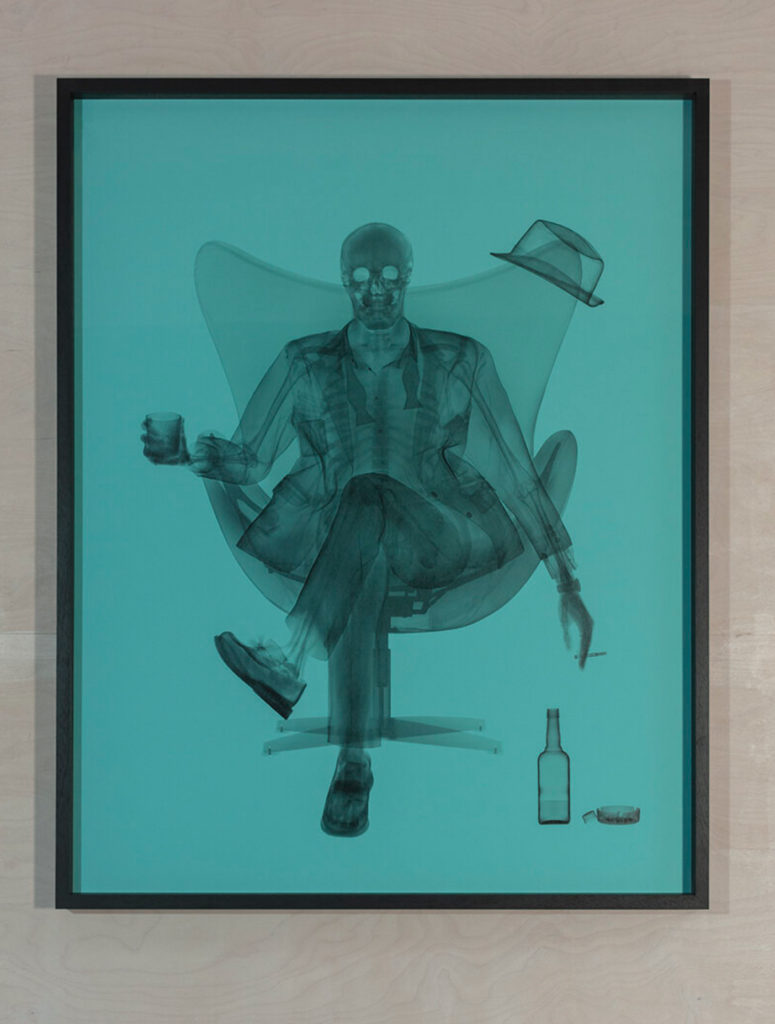
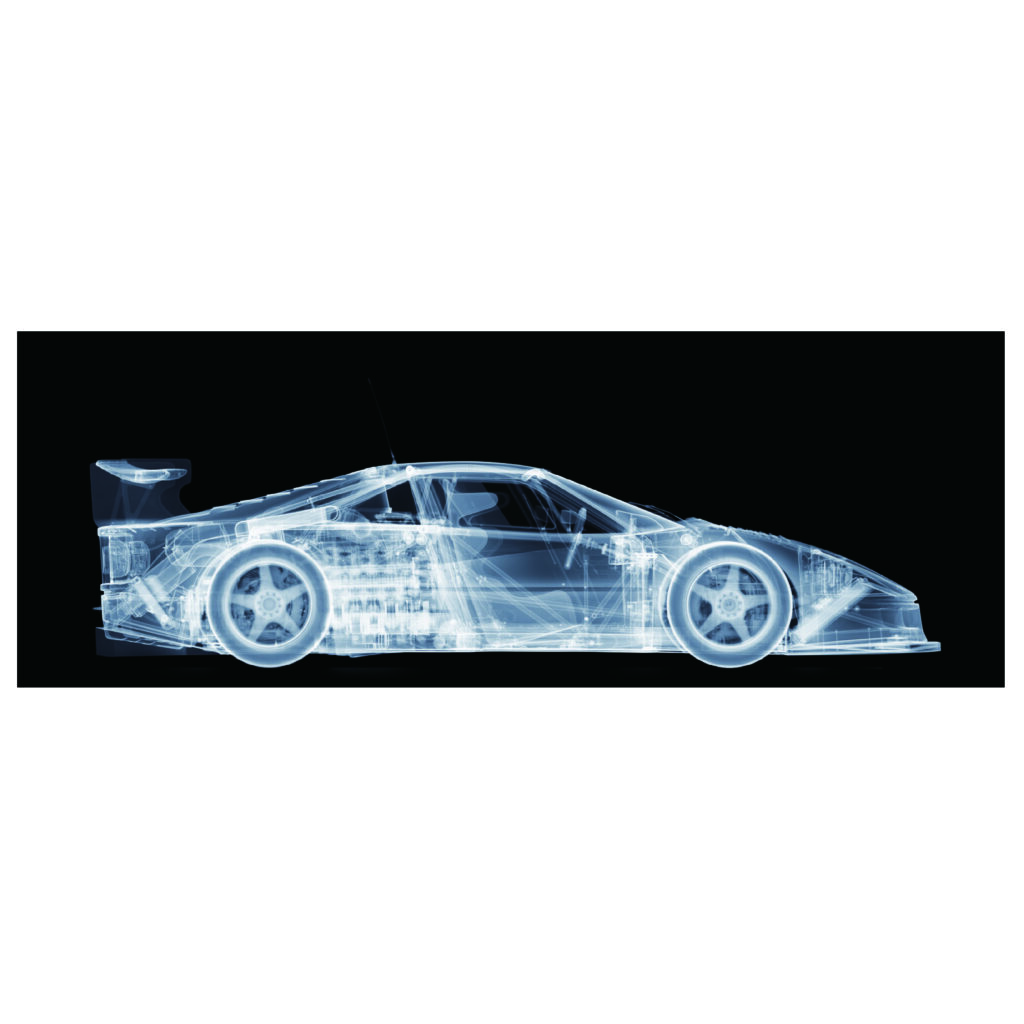
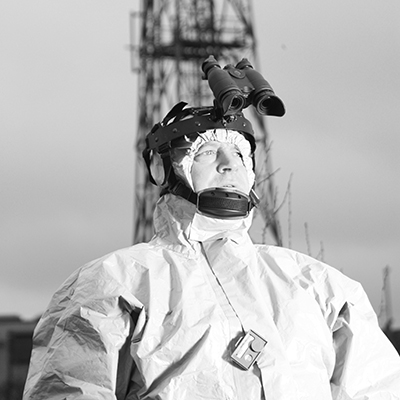
Internationally renowned X-ray artist Nick Veasey reveals the hidden facets beneath the surface using his unique X-ray penetration technique. His work humorously and mischievously explores the essence of people and objects' inner nature. Nick Veasey uses x-ray to strip back the layers and show what it is like under the surface. The technique reveals what, and often how, things are made, which grants his art to penetrate the surface and take us on a journey into a world otherwise hidden and unseen. Veasey has an extensive exhibition experience worldwide, with his artwork featured on the cover of TIME magazine and invited to give a TED talk. In 2018, he held a large-scale exhibition at the renowned Fotografiska museum in Sweden, visited by The Prince and Princess of Wales and the Crown Princess of Sweden. He also photographed important antique costumes for the Victoria and Albert Museum and collaborated with various brands such as Louis Vuitton, United Airlines, Balenciaga and Alexander McQueen. Works collected by the Victoria and Albert Museum, National Science and Media Museum in the UK, the San Francisco Museum of Modern Art, The Museum at FIT in the USA, the BMW Museum in Germany and the Museum of Applied Arts and Design (MUDAC) in Switzerland.
Bryan Ida
(USA, b.1963)
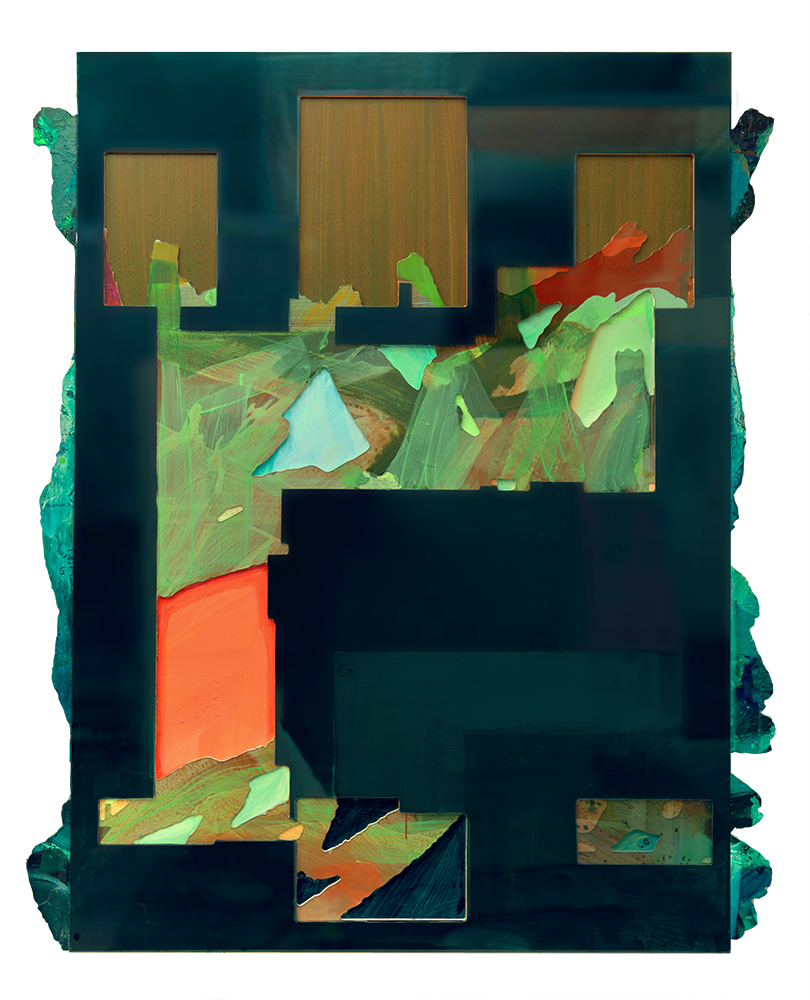
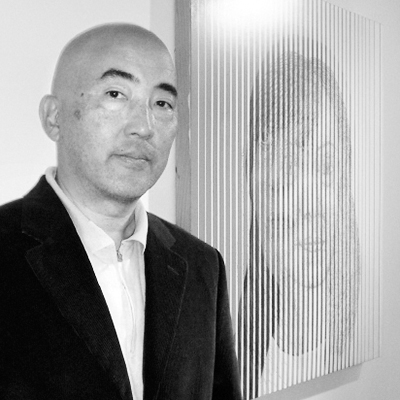
布萊恩.伊達(Bryan Ida,美國,1963年生)現居住及創作於美國洛杉磯,以壓克力結合環氧樹脂(Epoxy)與聚酯纖維(Polyester)的堆疊層次進行創作,由多樣的視角、色彩與城市和自然進行對話。曾多次於美國知名博物館及美術館舉辦展覽,包含蘭開斯特藝術與歷史博物館(Lancaster Museum of Art and History) 、河濱市美術館 (Riverside Art Museum)、托倫斯藝術博物館 (Torrance Art Museum)、長灘美術館 (Long Beach Museum of Art) 、洛杉磯當代藝術美術館 (Museum of Contemporary Art, Los Angeles)等。作品收藏於微軟(Microsoft)與杜邦旗下杰能科(DuPont™ Genencor® Science)等矽谷高科技產業公司。
Pascal Dombis
(Frence, b. 1965)
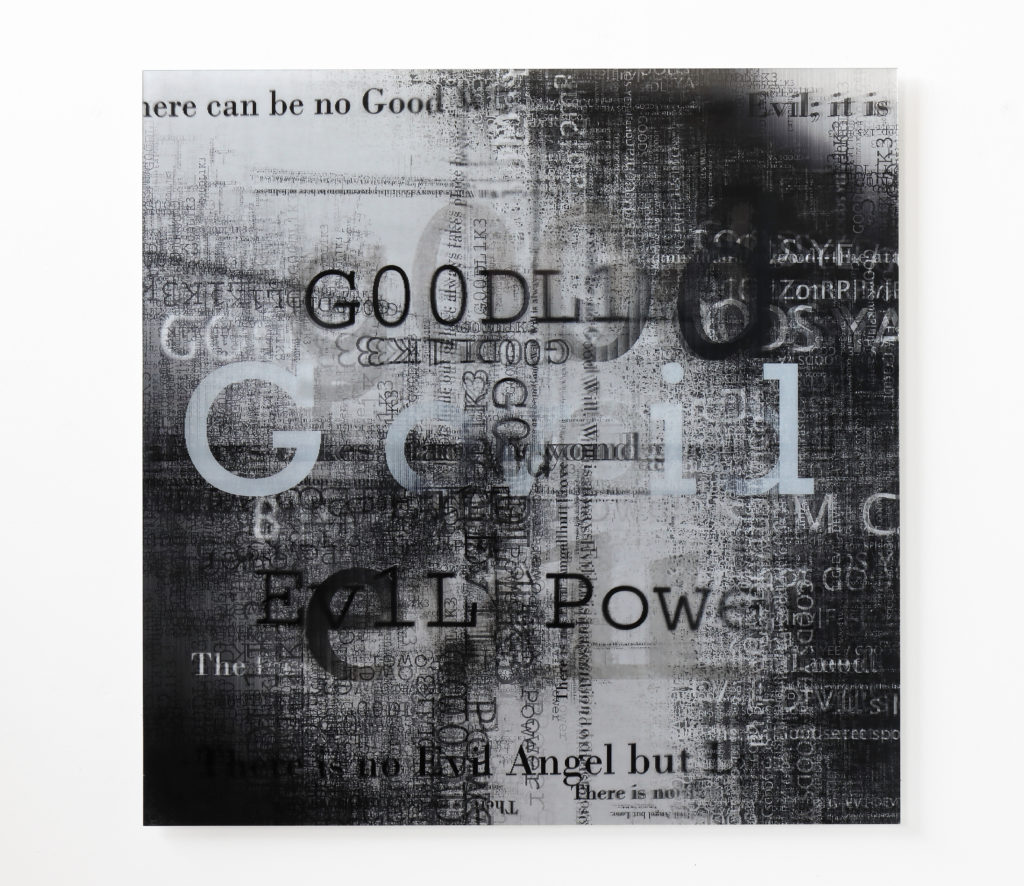
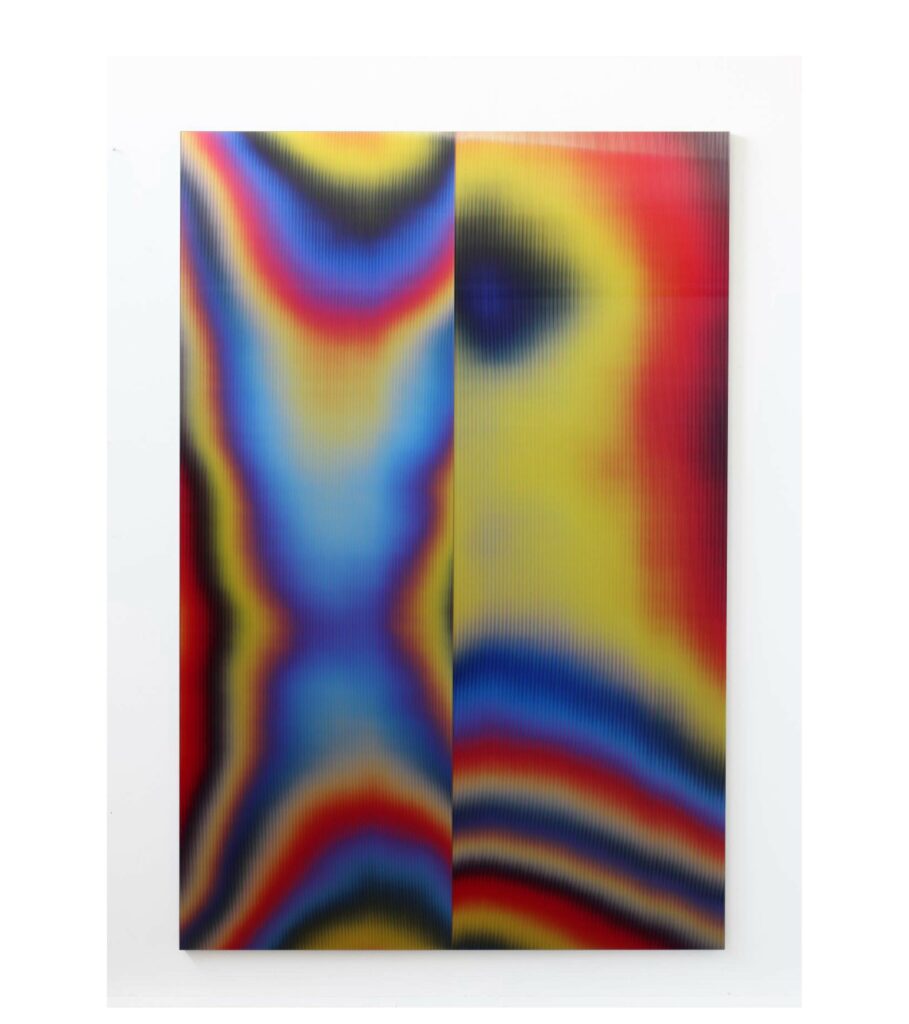
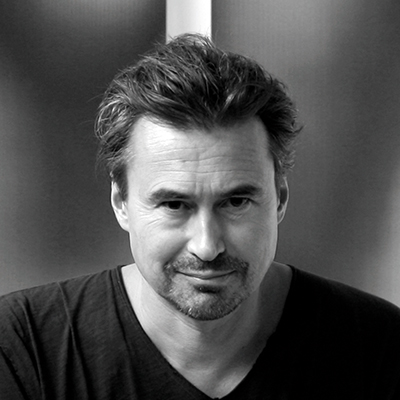
Graduated from Tufts University computer art and Insa University in Lyon, France. Digital artist Pascal Dombis currently lives and works in Paris. His focus involves the exploration of language, noise, control, and irrationality. Dombis has been using computers and algorithms to generate and elaborate repetitions of simple processes, which computationally reproduce geometric or typographical signs. Started as a painter, Dombis notes that his encounter with William Burroughs’s art was a key moment for his new investigations into digital art. Dombis uses optical materials such as lenticular plates to revisit the way viewers look at things, and to question the very nature of images in the broad sense of the word. By using lenticular, allows him to play with the viewer’s gaze. The incessant circulation of images has made the way of looking at things more dynamic. Moreover, the lenticular material questions this new reading paradigm and brings about a physical and time-related experience. Over the years he created monumental public works for the City of Perth, Australia, the Ministry of Culture in France, and an 8 meter long outdoor sculpture installation along the River bank in Shanghai, China. His art exhibited around the world including Musée en Herbe in France, Museum Kunstpalast in Denmark, Velchev Art Museum in Bulgaria, and the University of Georgia in the USA.
Hans Kotter 漢斯・卡特
(Germany, b. 1966)
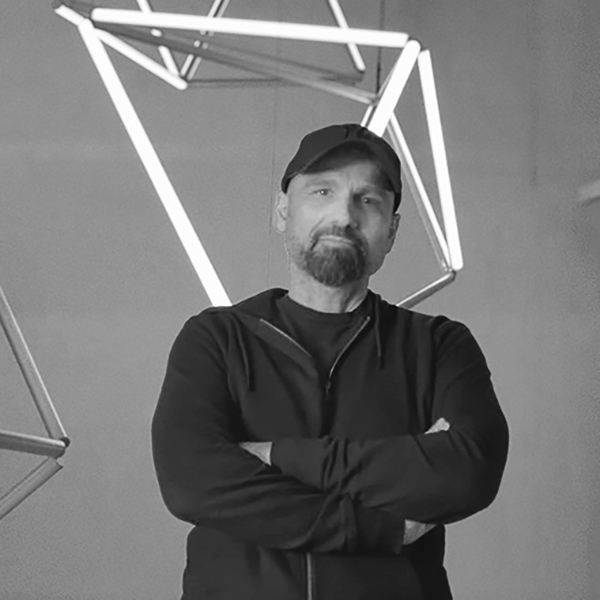
出生於德國巴伐利亞邦,就讀紐約藝術學院(Art Students League of New York) 畢業於慕尼黑媒體設計學院。現創作居住於柏林。 2004年被授予「德國巴伐利亞文化獎」Bavarian Culture Award, E-ON藝術建築領域獎項。 Kotter以燈光雕塑裝置創作為人所知。曾任德國斯圖加特國家藝術與設計學院講師,2014年獲得德國國際Unna燈光藝術中心的國際燈光獎項提名。德國著名藝術史學家Kai-Uwe Hemken 評論Hans Kotter 作品:「Kotter 卡特為觀者提供了作品的維度,是批判性、自我反省、與洞察導向,同時重新呈現了現代主義的基本烏托邦。」Hans Kotter 目前持續在各國博物館展出,包括德國里特博物館、英國倫敦Kinetica博物館、德國科隆應用藝術博物館、德國科隆MAKK博物館..等。作品由意大利TARGETTI光之藝術典藏、德國立陶宛博物館、德國聯邦議會等眾多機構永久收藏。
Peter Krauskopf
(Germany, b. 1966)
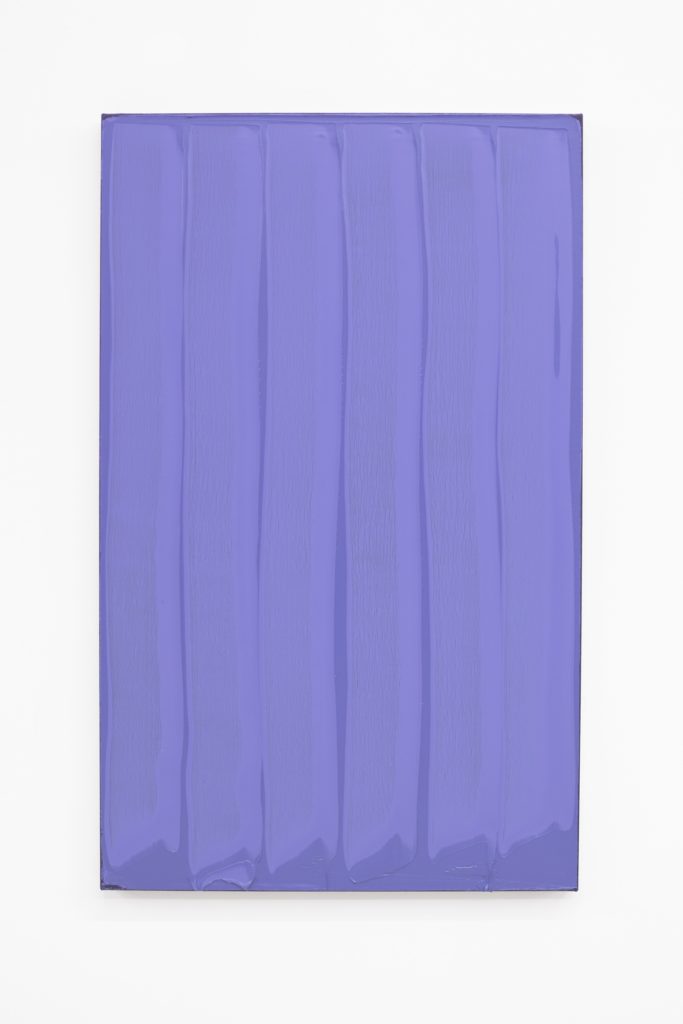
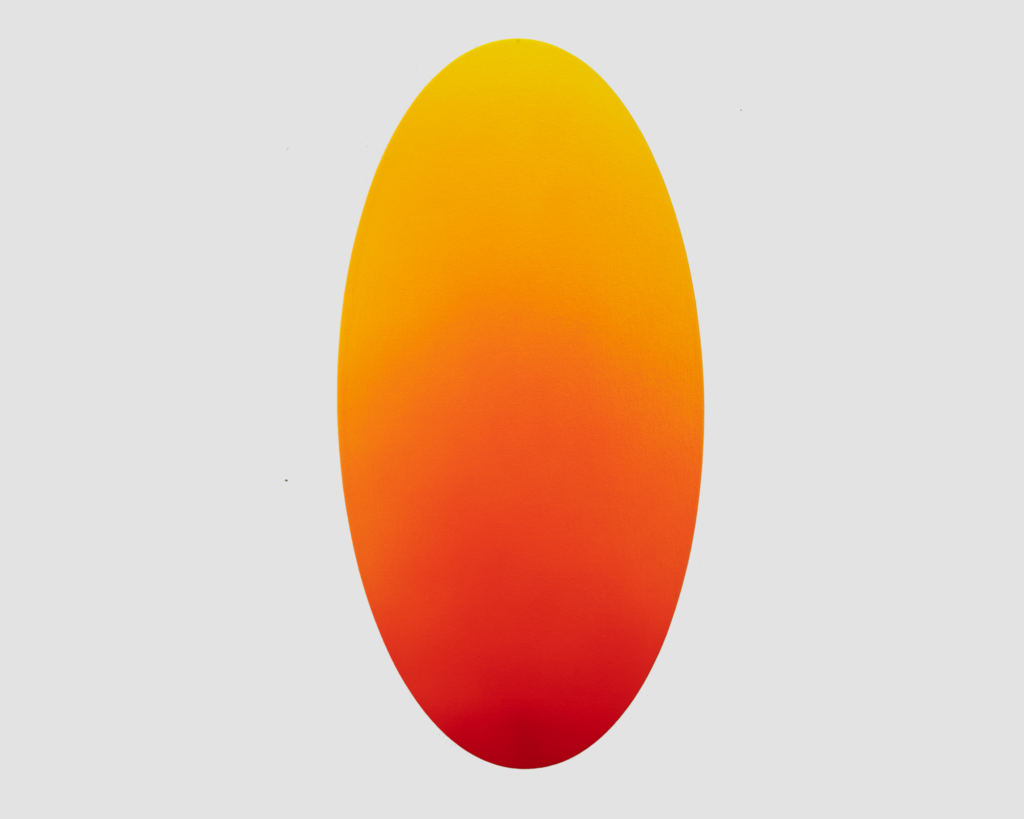
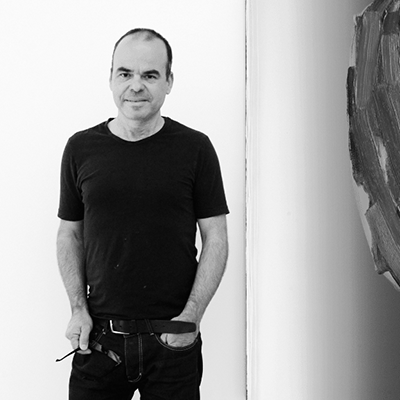
Peter Krauskopf studied at the Academy of Fine Arts in his birth town Leipzig and later continued as a post-graduate under Arno Rink. Known for his break with the figurative tradition of Leipzig painting, Peter Krauskopf especially interested in the process of overpainting, which he understands as an overwriting of time. All of his pieces – the intensive colored smaller plates, as well as the big monochrome color gradients, seem to be abstract at first sight, but they are all ‘concretions of a period of time’. On homogeneous, smooth grounds which either consist of an old, former abandoned painting or a monochrome under painting, Krauskopf performs one single intervention to form a new picture. In 2015 he received the Falkenrot Prize. His paintings were widely exhibited including the Mies van der Rohe-Haus, Berlin, the Forum Kunst Rottweil, the Kunsthalle Lingen and Kunsthaus Kaufbeuren, works presented in the collection of the Albertinum in Dresden, the Ludwig Forum in Aachen, the City Museum of Wrocław, the Kunstverein Ludwigshafen, the Museum Schloss Morsbroich in Leverkusen, Kupferstichkabinett and the Galerie Neue Meister in Dresden, Germanisches Nationalmuseum in Nuremberg.
Sven Drühl
(Germany, b. 1968)
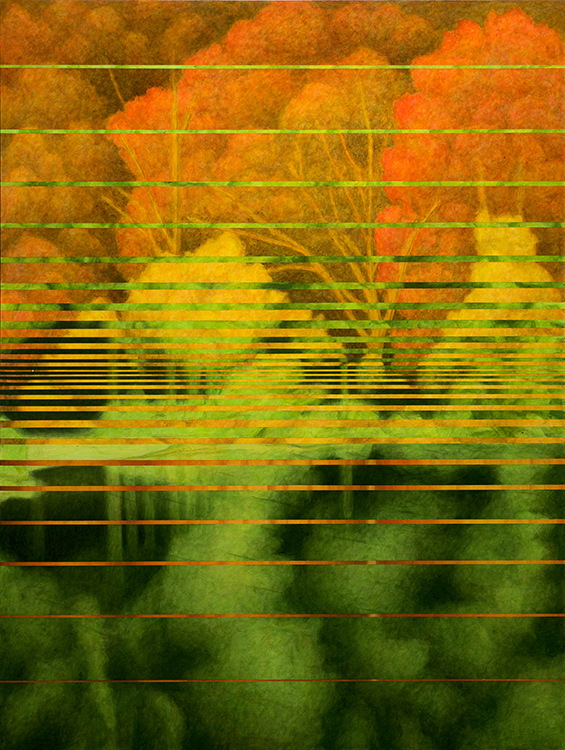
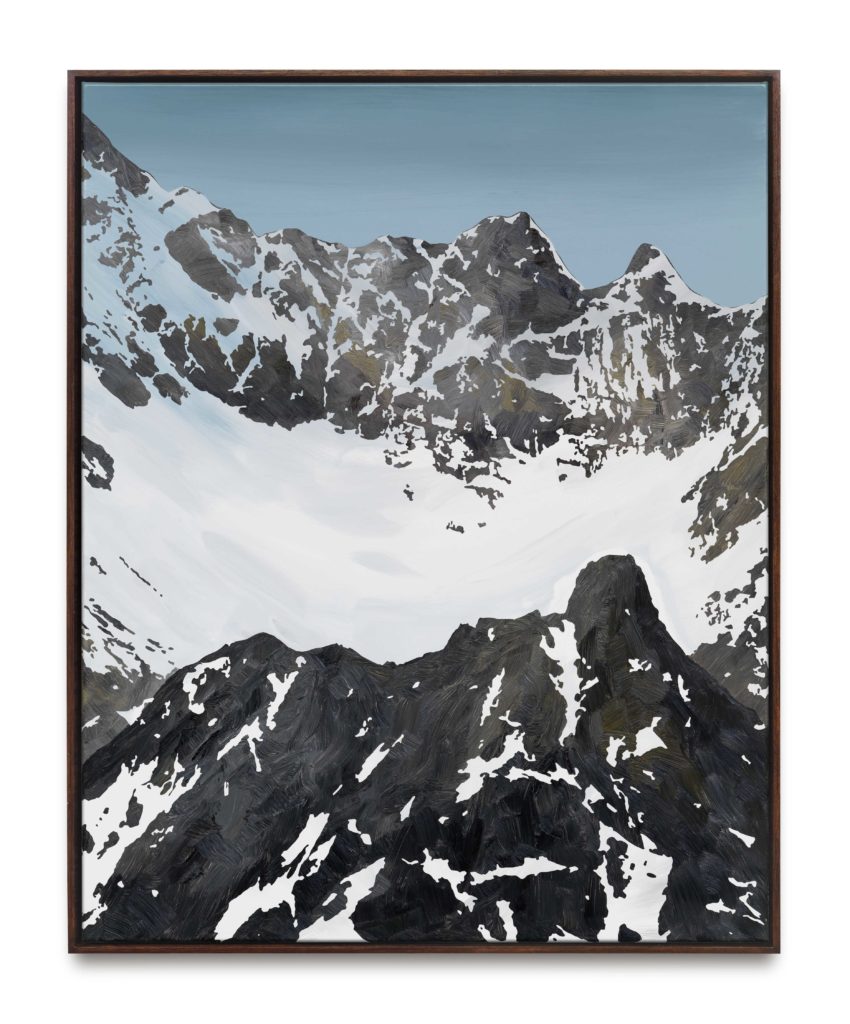
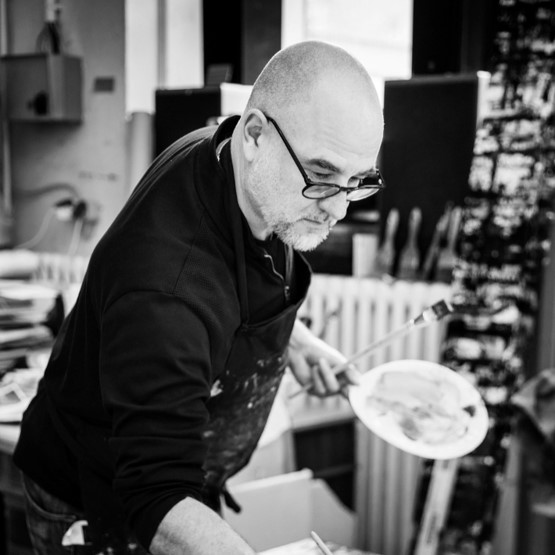
Sven Drühl currently lives and works in Berlin. He studied both in art and mathematics. With a PhD in art theory, he is also an author and editor of publications on contemporary art. Conceptually, Sven Drühl dissects visual shapes and types taken from every era from Romanticism to the present day, re-mounting them and combining them with his own motifs. Drühl reacts to the crisis of expression in post-modern painting with these transformed citations, but has purposefully not ceased to paint. His exploration of art history and his continual questioning of painting as a medium are at the heart of his oeuvre. He became known through his compilations of famous landscape paintings and had been exhibited throughout Europe, Asia and the United States including the St. Matthäuskirche, Berlin, Museum Villa-Rot, Neue Galerie Gladbeck, National Museum of Art of Romania, Bucharest, Kallman-Museum, Ismaning, Museum Haus am Waldsee, Berlin, ZKM | Museum für Neue Kunst, Karlsruhe. His work is in collection of Berlinische Galerie -Museum für moderne Kunst, Berlin, Allianz Forum, Deutsche Bank, E.ON Art Collection, Düsseldorf, Collection Philara, Düsseldorf.
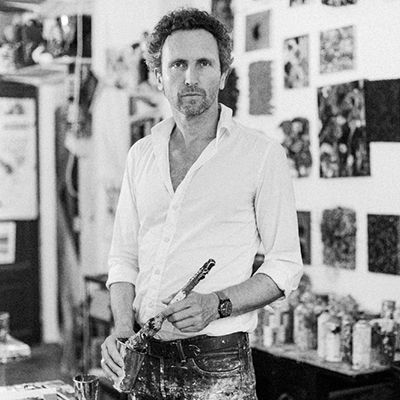
Thierry Feuz
(Switzerland, b. 1968)
Graduated from Geneva University of Art and Design (Haute École d'Art et de Design), Feuz currently lives and works in Geneva. In his artistic realm, art, science, and philosophy converge as he explores the universal meaning of "existence" and presents unseen realms through his unique painting techniques. Thierry Feuz's works have been collected by significant institutions and museums, including Musée d'Art et d'Histoire in Neuchâtel, Singapore Art Foundation, UBS Bank, Saks Fifth Avenue in the United States, as well as the Breeze Crop. and E.Sun Commercial Bank, among other corporate collections.
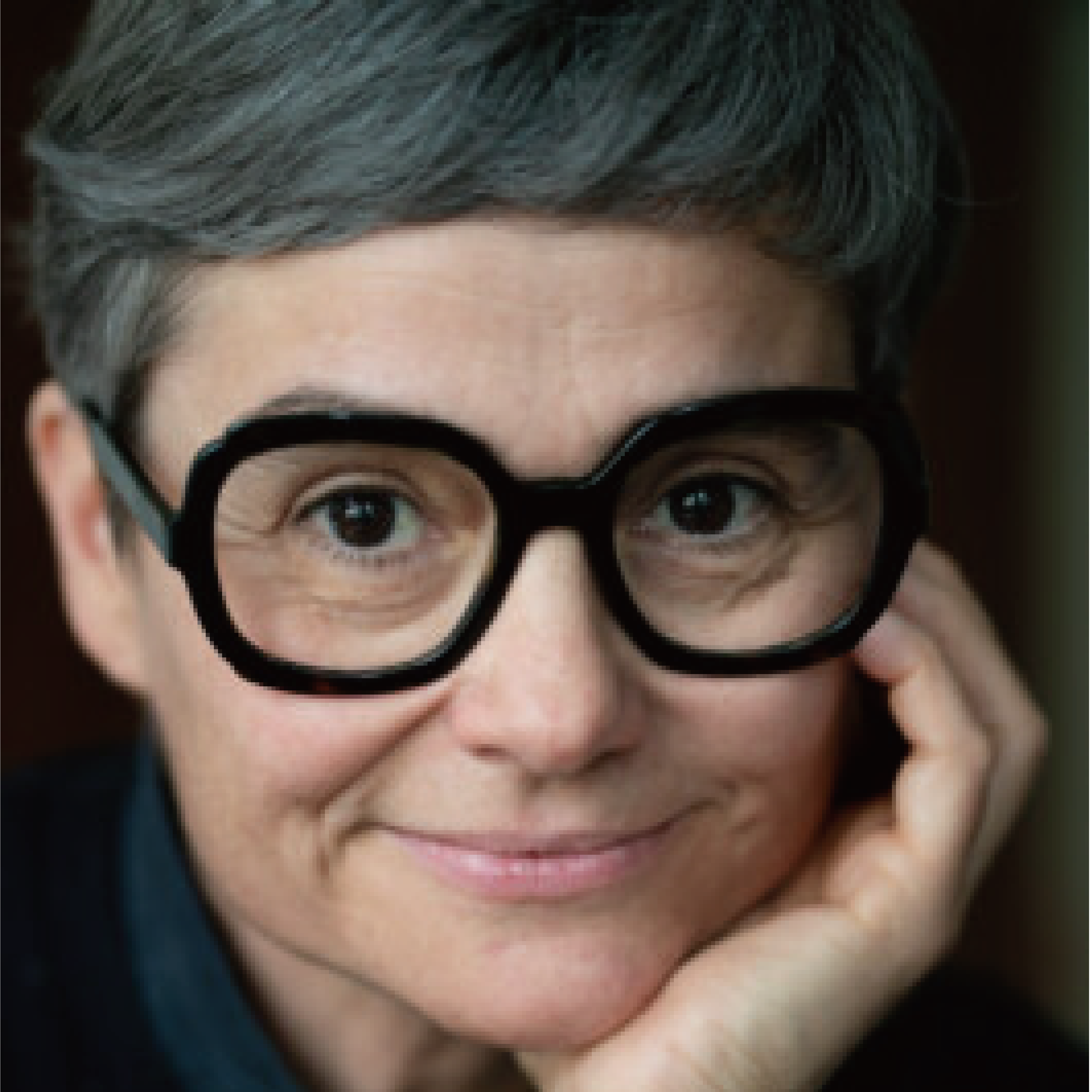
Susanne Kühn
(Germany , b. 1969)
Susanne Kühn holds a Master's degree in Painting and Printmaking from the Leipzig Academy of Visual Arts, currently lives and works in Freiburg and Nuremberg, Germany. She was awarded a scholarship from the Harvard University Radcliffe Institute for Advanced Studies. Central to Kühn's practice is her highly animated and vivid execution of a precise level of craftsmanship through which she interweaves various painterly vernaculars and styles. Via this aesthetic approach, she engages with the history of painting from a female perspective, as well as exploring everyday life and futuristic narratives in her current work. Kühn's work has been showcased in solo exhibitions at various renowned venues, including the Gemäldegalerie der Akademie der Bildenden Künste in Vienna, the OMI International Arts Center in Ghent, New York, Haunch of Venison in London, UK, Sala Uno Contemporary Arts Centre in Rome, the Harvard Radcliffe Institute in Cambridge, USA, the Museum of Contemporary Art in Denver, USA, the Museum für Neue Kunst in Freiburg, etc. Her work is represented in collections worldwide including viz. the Busch-Reisinger Museum Collection / Harvard Art Museums, Cambridge, MA, USA, the Kemper Museum of Contemporary Art, the Knoxville Museum of Art, the Harvard Radcliffe Institute, Harvard University, Cambridge, MA, FRAC Alsace, France, Museum Frieder Burda, Baden-Baden Germany.. etc.
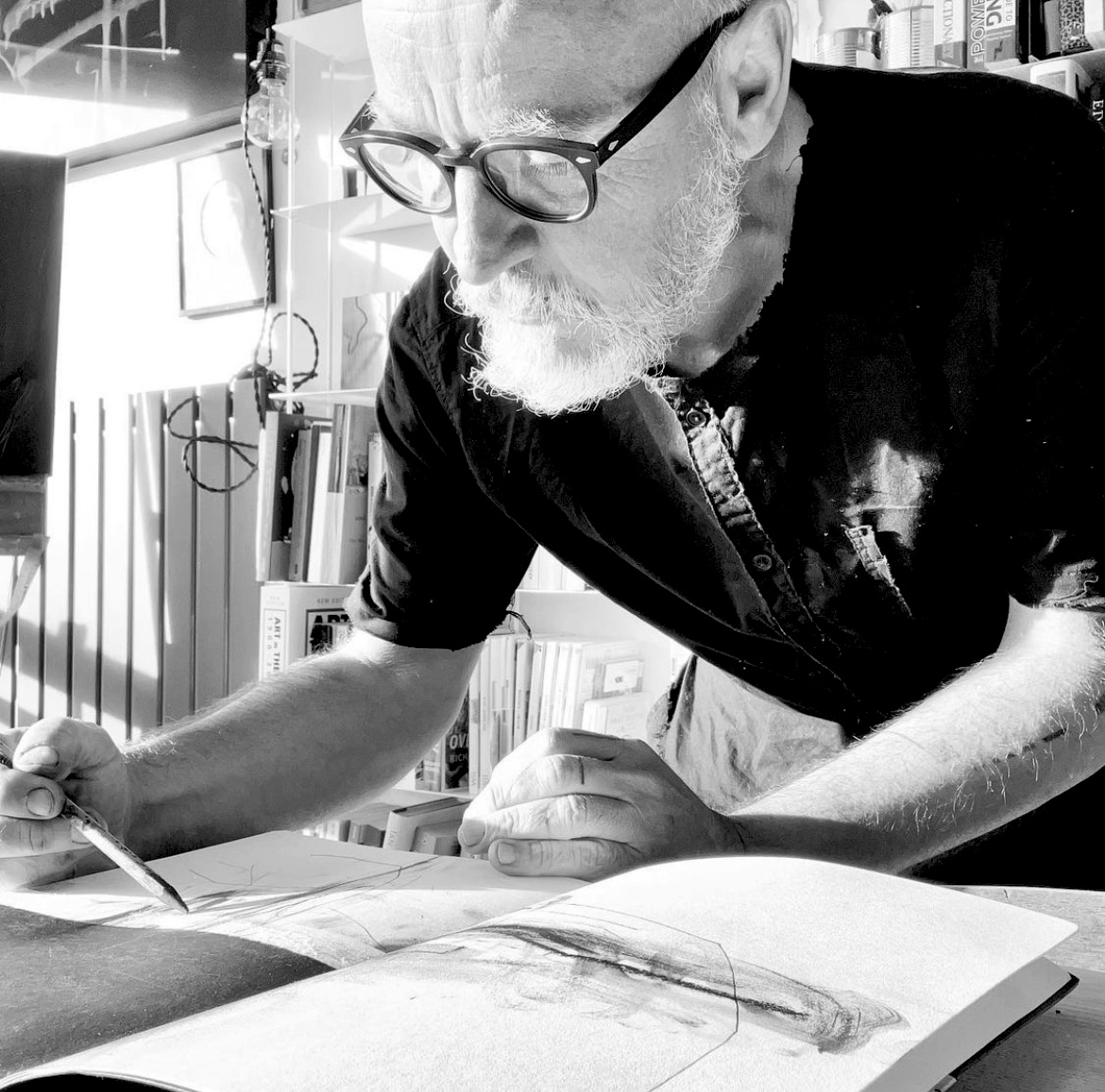
Beñat Olaberria
(Spain, b.1970)
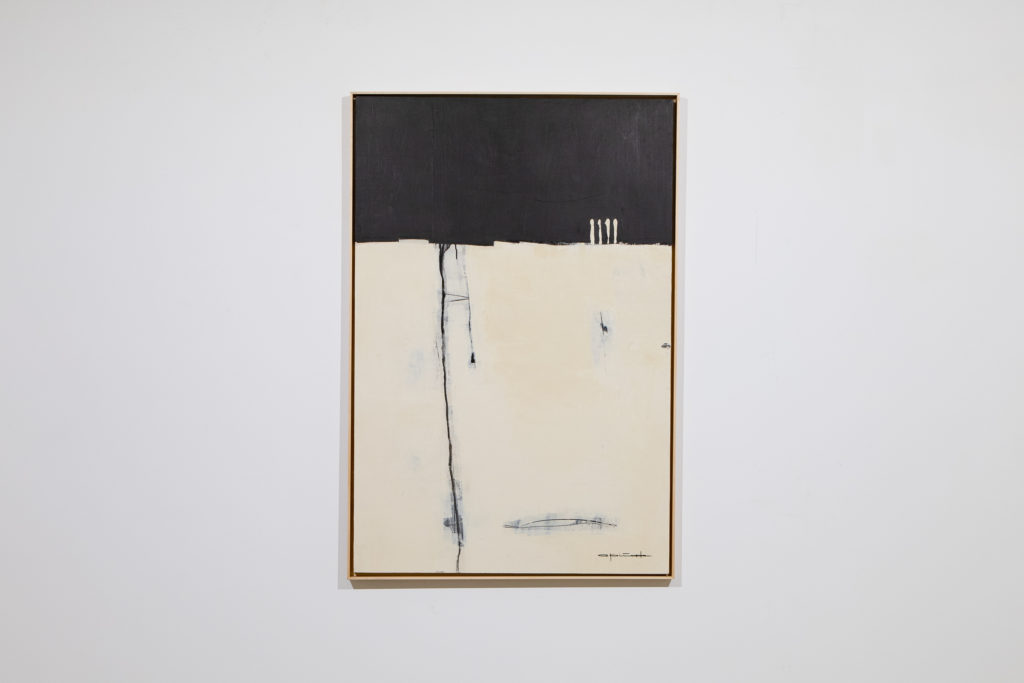
With a master's degree from the London City Art Institute, Beñat Olaberria currently creates and resides in London. His work, created in a non-impressionistic, non-narrative, and non-reductive manner, explores the unknown realms of form, composition, rhythm, and balance. Olaberria likens his creative process to a "walk," an adventurous journey where the final destination is uncertain. His pencil lines and heavy acrylic pigments present an incomplete and uncertain aspect through abstract compositions. Olaberria opposes predefined visual interpretations of his work, leaving gaps for viewers to interpret based on their experiences, creating multiple ways of understanding. The diverse materials he employs, including pencil, acrylic paint, clay, and charcoal, contribute to the layered and open-ended nature of his works. The exhibition will showcase Olaberria's latest works from 2023, inviting viewers to perceive and fill the gaps between their past experiences and the artwork.
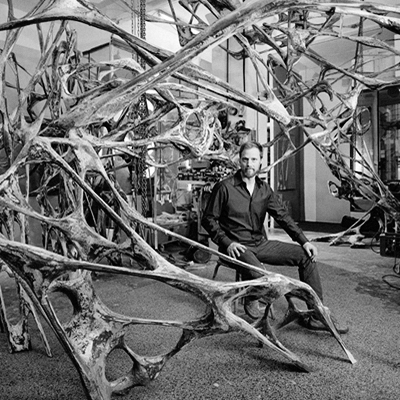
Wolfgang Flad
(Germany, b. 1974)
Wolfgang Flad is a German artist living and working in Berlin. Born in 1974, he studied textile design at Fachhochschule Reutlingen and fine arts at the Akademie der Bildenden Künste, Stuttgart. He has had numerous solo exhibitions in Germany and other European countries, and has placed his artwork in museum collections in Germany, Switzerland, and the Netherlands. Primarily a sculptor, Flad is interested in “upcycling” previously used material, and in creating unexpected associations and connections between art and the natural world.
Jan Kaláb
(Czech Republic, b.1978)
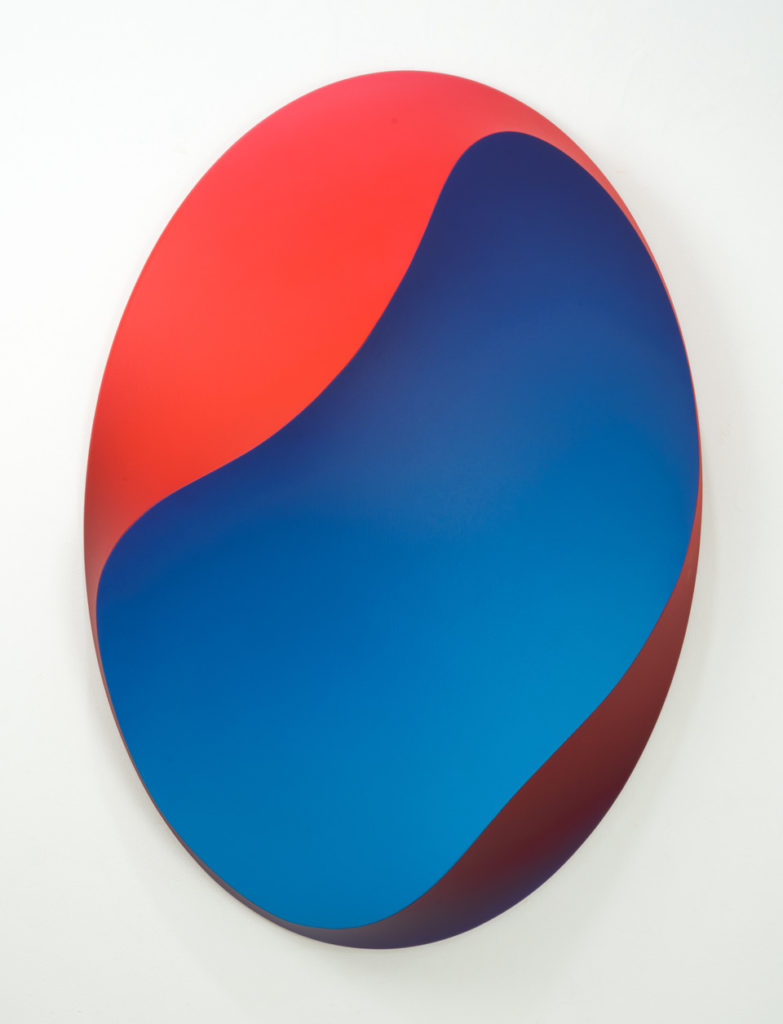
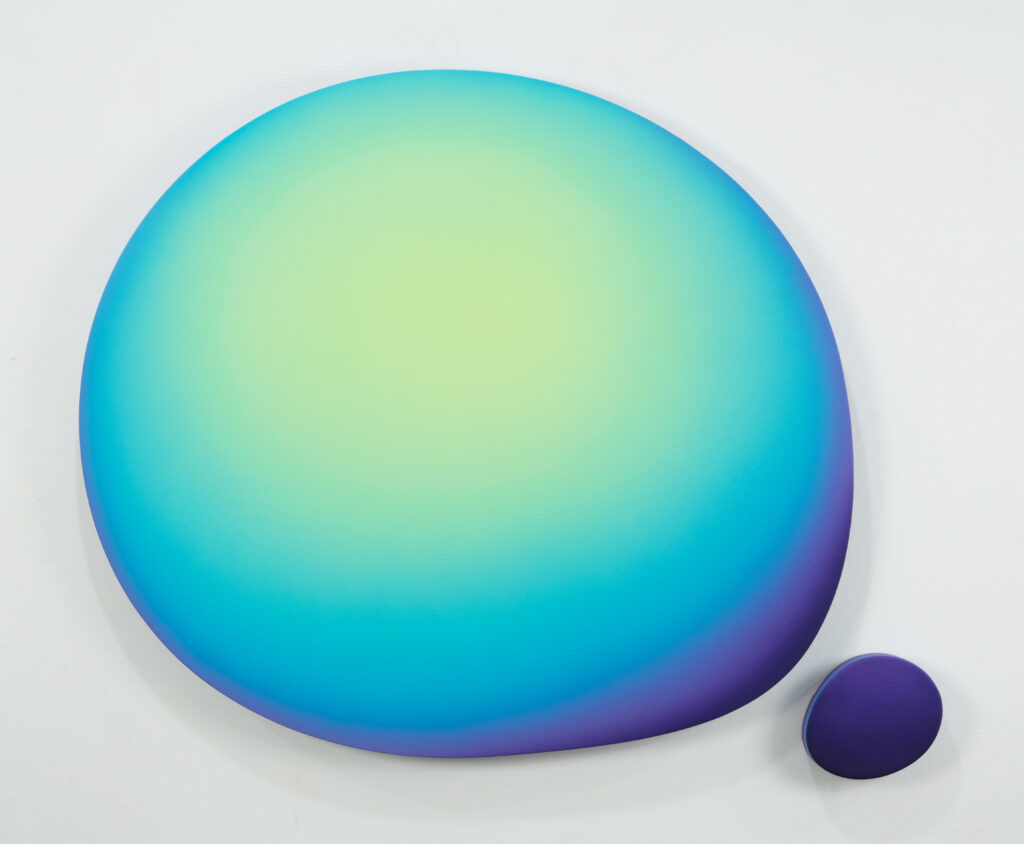
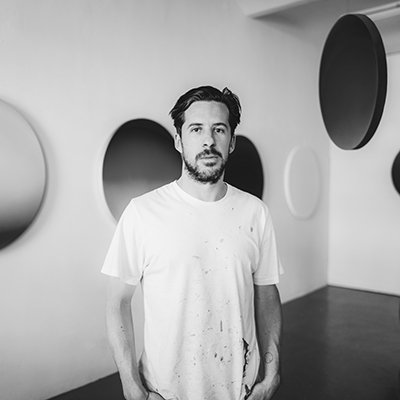
Jan Kaláb graduated from the Academy of Fine Arts in Prague, Czech Republic, and currently lives and works in Prague. As a pioneer of Czech graffiti art, Jan Kaláb has been constantly forging a path as a non- traditional artist. He transitioned from street graffiti into pure white spaces, starting with points and developing them into circular transformations and 3D sculptures, condensing the exuberance of the outdoors onto geometrically distorted canvases. He represented the Czech Republic at the Shanghai World Expo in the Czech Pavilion and his works are held in collections at The National Czech & Slovak Museum & Library (NCSML), National Art Museum of Brazil, Deji Art Museum in China, Daejeon Museum of Art in South Korea, and cooperate with numerous international luxury brands including Dior and Tiffany.
Fiona Ackerman 費歐娜・艾克曼
(Canada, b. 1978)
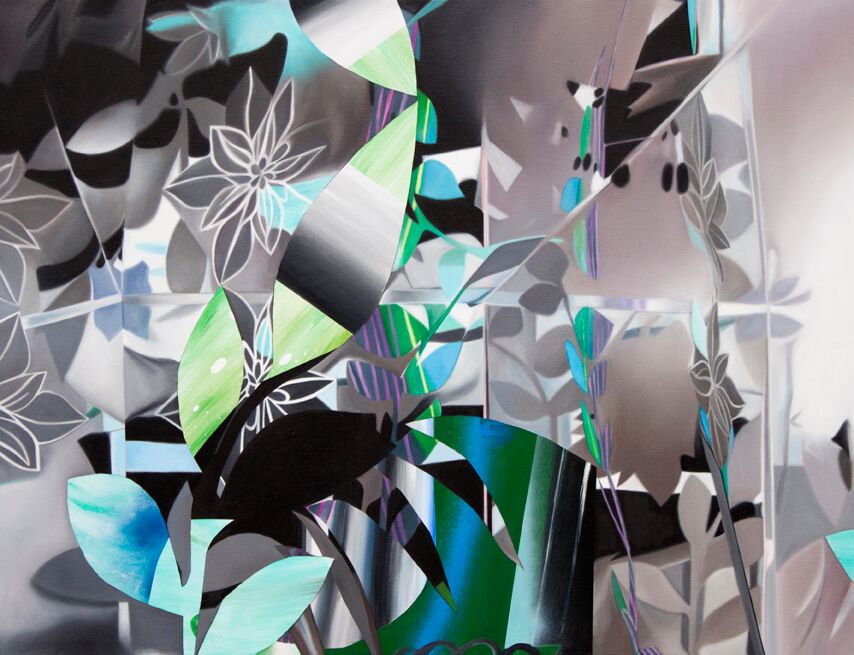
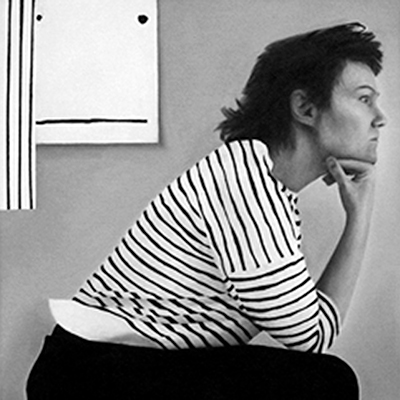
費歐娜.艾克曼(加拿大,1978年生)深受法國哲學家米榭.傅柯(Michel Foucault)異托邦(Heterotopia)理論的影響,試圖由繪畫解放現實世界的多樣表現型態,透過鏡像反射而繪出的花草圖像詮釋看似自然卻是經人為刻意安排並輔佐線條、色塊與拼貼組合的創作,將想像的視野拋入無窮遠處。
費歐娜.艾克曼畢業於艾蜜莉卡藝術與設計學院(Emily Carr Institute of Art and Design),榮獲加拿大The Kingston Prize當代肖像畫榮譽獎並入圍加拿大國家畫廊年度當代藝術大獎。作品收藏於加拿大理察·艾菲商學院(Richard Ivey School of Business)、蒙特婁銀行(Bank of Montreal)與德國農民銀行(Bankhaus Bauer)等。
Janna Watson
(Canada, b. 1983)
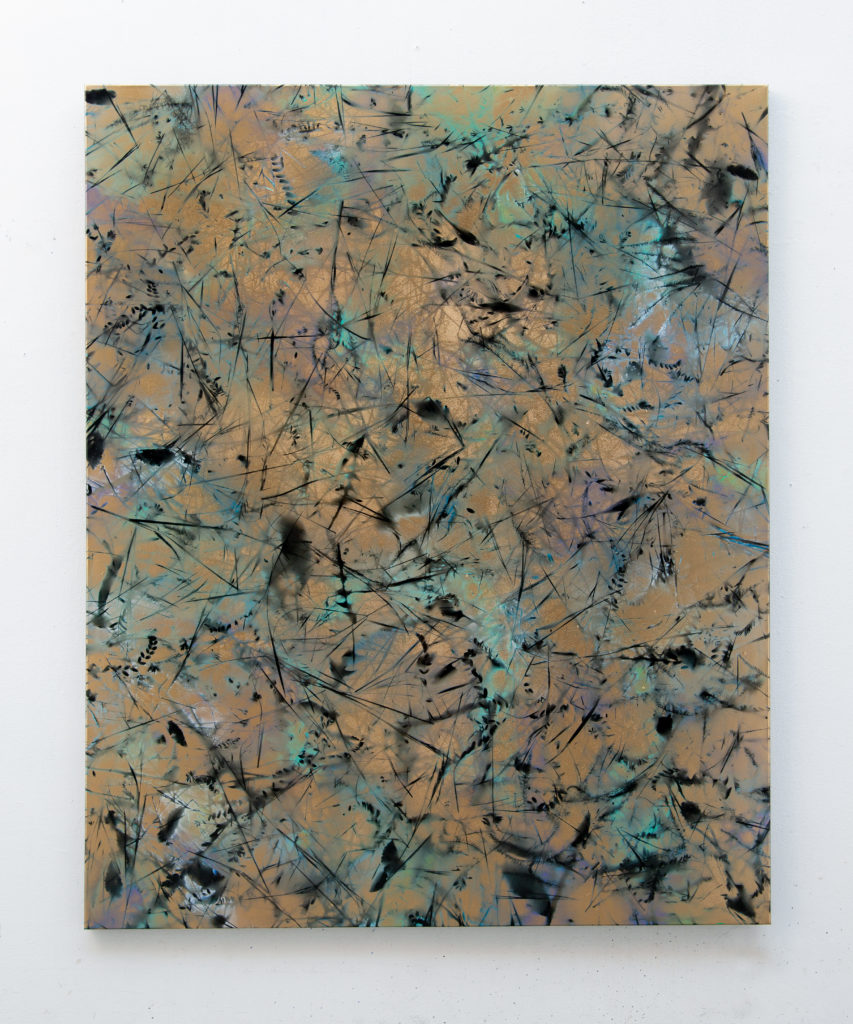
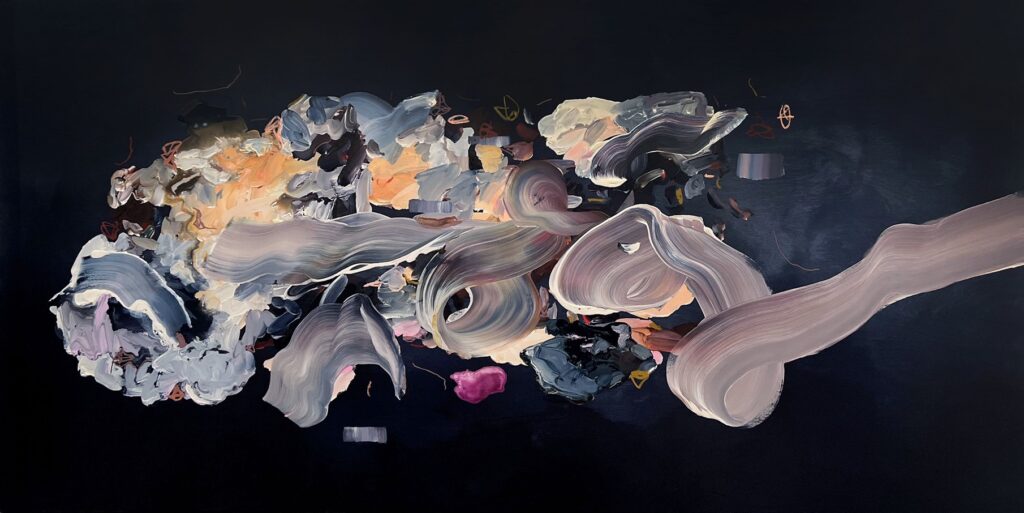
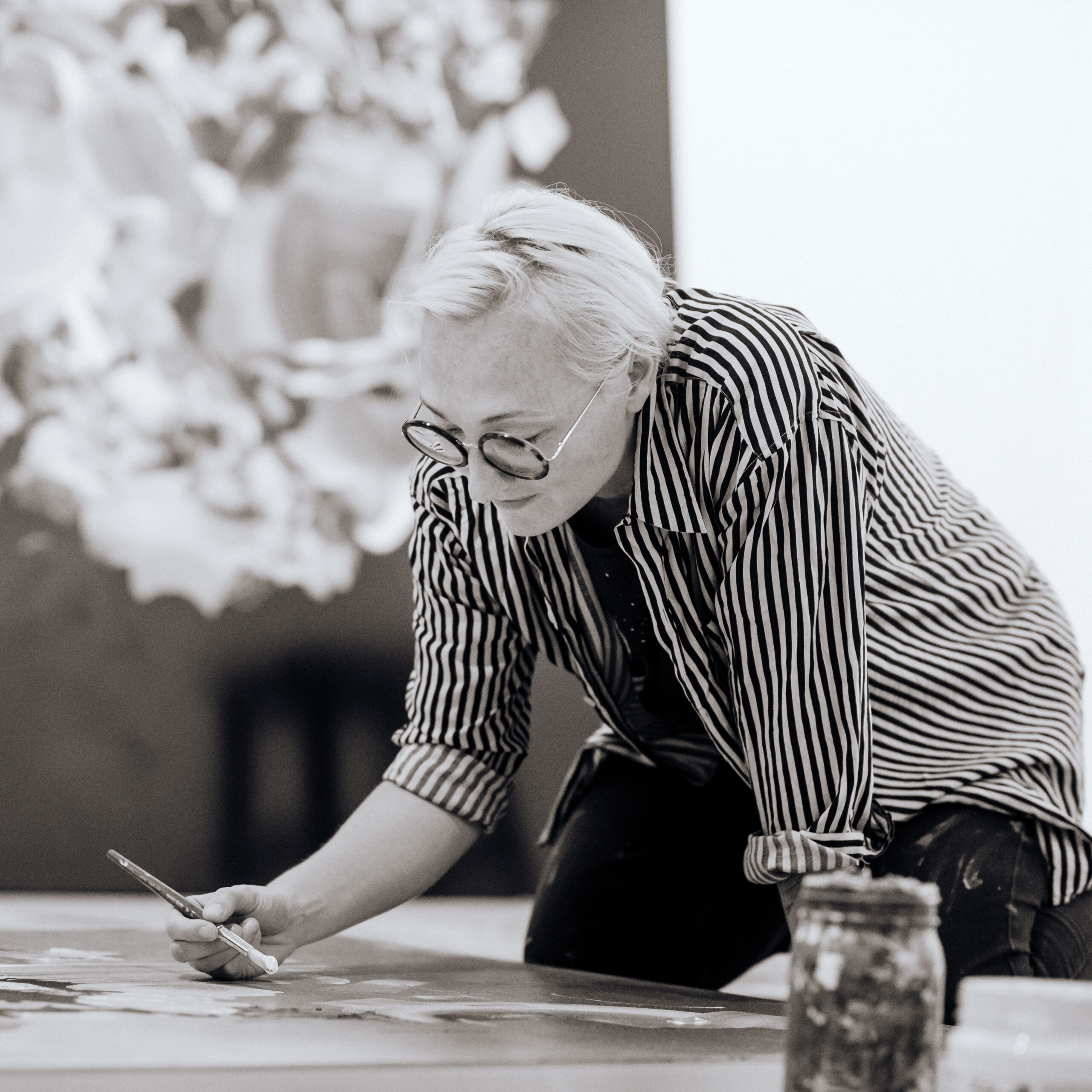
Janna Watson(Canada, b. 1983)uses abstraction as both an escape from and return to the real. As the world we know dematerializes into paint strokes, so too does her paint take stage as its very own character in a multi-act drama of composition. Bundles of colour, made up of discrete yet inseparable instances of pigment—what Watson refers to as “moments”—are teeming and poised as though caught mid-multiplication. Sweeps of paint re-direct sharply and fold over themselves; thin, rigid ink lines cut into the pictorial field as rudimentary elements in an increasingly complex system of painterly language. All the components play out on a surface of slow, chromatic gradation. Like many of Watson’s players, these backdrops tenderly gesture toward the familiar, stopping just short of representation. The result is a conceptual project (and distinct, stylistic signature) that speaks to a contemporary milieu in which abstract painting is not the retreat of meaning into an unrecognizable realm, but rather the emergence of medium as a “figure” in its own self-inscribed world of feeling and being. Watson does more than reveal paint’s potential to emote—she gives it a space to reveal itself, in its own time.
Ramiro Smith Estrada 拉米羅. 史密斯.埃斯特拉達
(Argentina, b.1984)
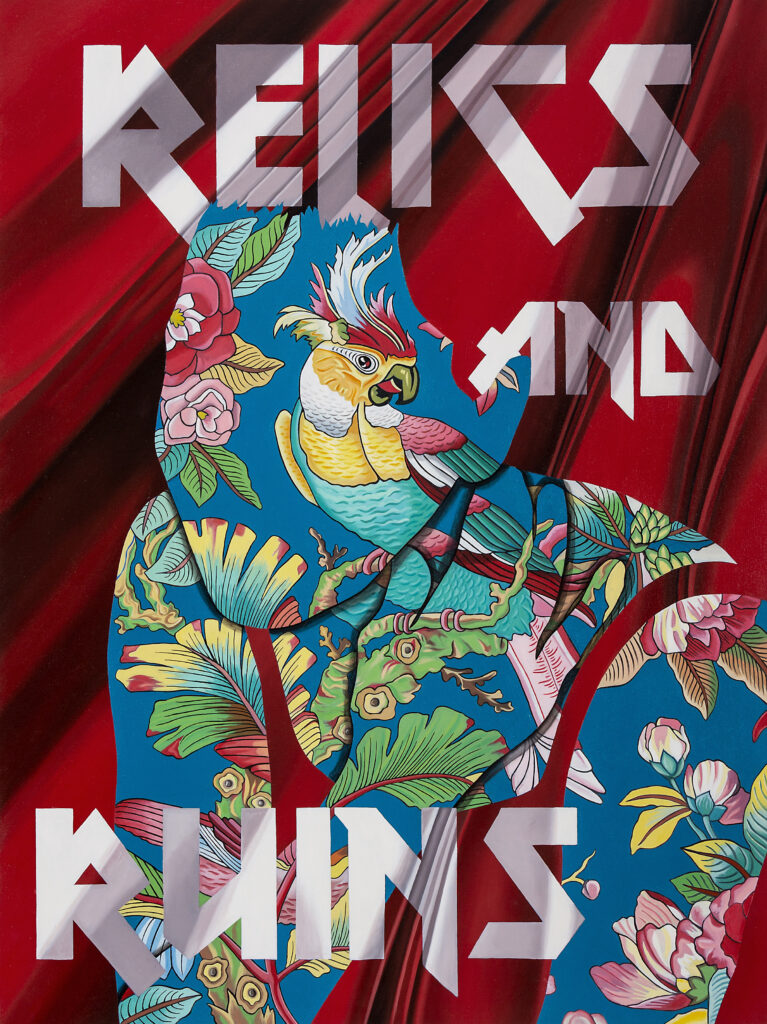
阿根廷社會博物館德爾大學藝術學士,目前在阿根廷布宜諾斯艾利斯生活創作。專注於人物油畫創作,運用鮮豔色彩及清晰的輪廓線條,概念圍繞的元素包括網路社群的社會、政治、身份…議題,以一種華麗、街頭、刺青、圖騰、壁紙式的「憤青美學」方式呈現,探討在文化社交壓力下的衝突。多次入選阿根廷國家藝術展,2012年獲得威廉姆斯獎(Williams Award),並於阿根廷舉辦個展、參與國際駐地計畫,包括美國丹佛RedLine當代藝術中心駐地計劃、阿根廷布宜諾斯艾利斯 Panal 駐地計劃、比利時布魯塞爾La Vallee駐村藝術家。作品由眾多私人藏家收藏。
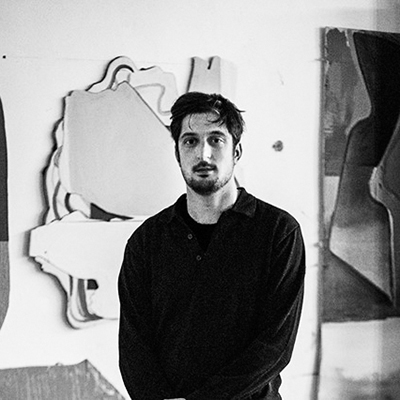
Tim Freiwald
(Germany, b.1986)
Graduated from the Fine Arts at the Munich Art Academy, Tim Freiwald now work and live in Berlin. Tim Freiwald's creative process involves "destruction, decomposition, and reconstruction" generating negative spaces in his works, constantly exploring the questions of whether "destruction can still be beautiful" and "what is art." Fragments, fractured lines, and delicate structures, all portrayed through intense colors, define his aesthetic style of destructiveness. Freiwald mentioned “I want the paintings to be on the verge of physical collapse so that they only become stable through the painterly attraction between their elements.” In 2011, Tim Freiwald received the BMW Brilliance Automotive Art Award. In 2014, he became a student of the artist Thomas Scheibitz. In 2018, Tim Freiwald was awarded the New Positions prize at the Art Cologne, a prestigious art exhibition in Cologne. Tim Freiwald has already held significant solo exhibitions at various European venues including Walter Storms Galerie in Munich, exhibited at the Kunsthalle Bremerhaven in Bremen.